
Periodic Crane Maintenance and Inspection: Why and How?
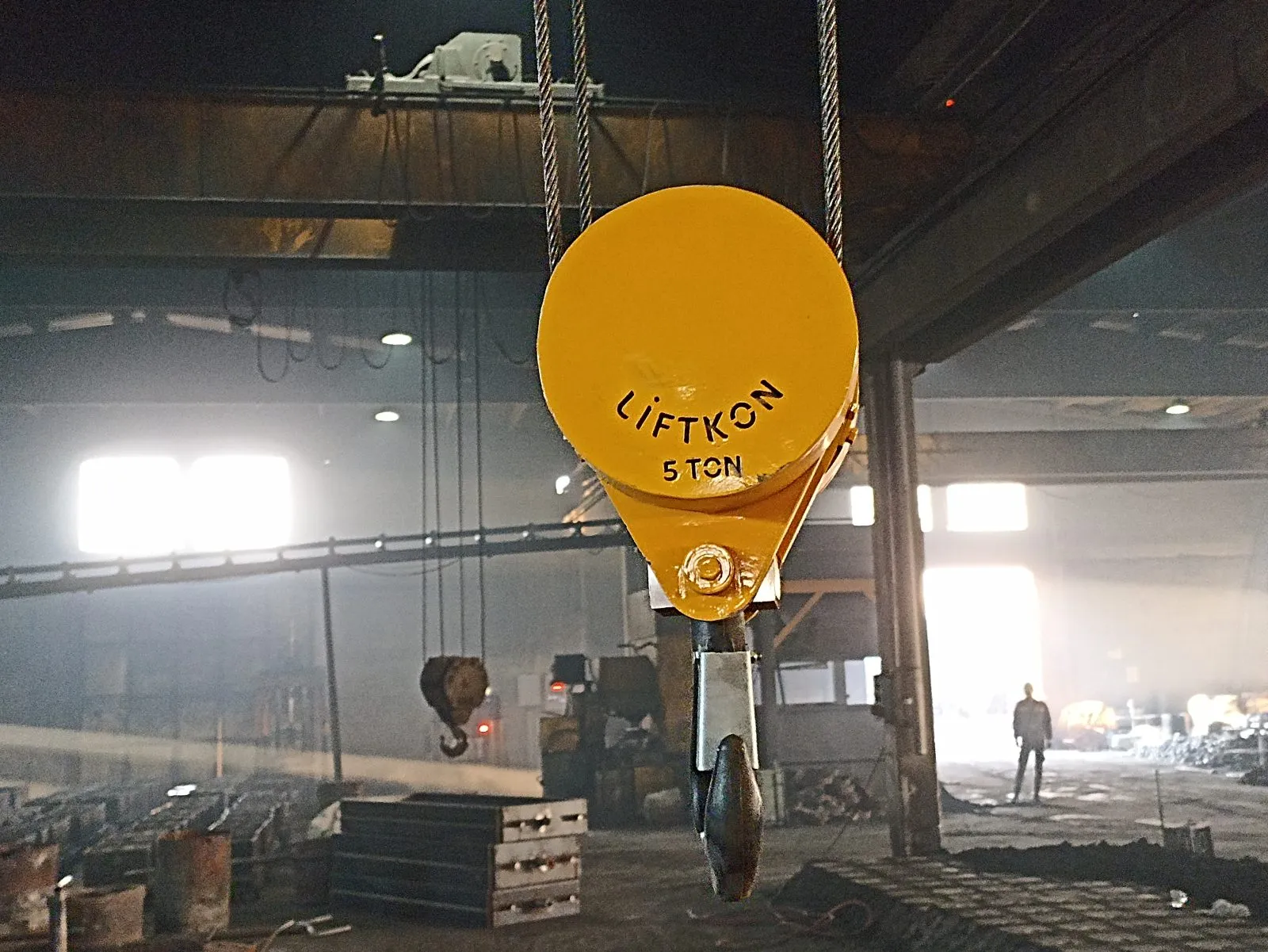
Regular maintenance and periodic inspection protect occupational safety, reduce unexpected downtime and extend the service life of cranes.
Cranes are among the most intensively used pieces of equipment in a facility, with the lowest margin for error. Lifting equipment must be periodically inspected by competent persons at the intervals specified in the applicable regulations; in addition, the regular maintenance recommended by the manufacturer protects both safety and production continuity.
Main points checked during maintenance
- Wire rope, hook block and sheave assemblies: wear, broken wires, deformation
- Brakes: lining wear and brake adjustment
- Gearboxes: oil level, leaks and noise
- Travel wheels and rails: wear and alignment
- Limit switches and overload protection: correct operation
- Electrical panel, controls and power supply line
Benefits of regular maintenance
Planned maintenance prevents minor wear from turning into a major breakdown. Spare part needs are anticipated, stoppages are scheduled for when production is least affected, and the crane's service life is extended.
Modernization
On older cranes, upgrading the control system with frequency inverter drives, adding radio remote control or replacing the hoist unit can improve safety and performance without buying a new crane.
For maintenance, breakdowns or spare parts, you can create a service request.